

What does CBD stand for?
CBD is the abbreviation for cannabidiol, one of the chemical compounds found in medicinal plants used for alternative treatment. It is one of the two main active ingredients in products made from this plant.
THC (tetrahydrocannabinol) is other primary compound and is psychoactive in its nature, while CBD is entirely non-psychoactive.
Hemp refers to the variety of plants that have low THC levels and are cultivated for non-drug usage such as hemp fibre, hemp seeds, and their oils.
An international effort led to the possession, cultivation, and consumption of the psychoactive cannabaceae plant being made illegal in almost all countries worldwide.
Today, the medicinal use of plant-based products has re-emerged as a potential treatment option in several western countries. The research in this regard is ongoing.
Table of Contents:
- What is CBD?
- Benefits of CBD
- Is CBD oil safe?
- Is CBD legal
- CBD products
- Prescription for CBD in Australia
What is CBD?

CBD is found alongside THC as the two primary active ingredients in plant-based treatments. There is no psychoactive element present in CBD, meaning it cannot get you high.
The Endocannabinoid System (ECS) seemingly plays a role in mood, appetite and modulation. Its receptors may be affected by CBD, but the research in this regard is still largely limited.
Individuals have started using CBD as an alternative treatment option in many countries across the world. The efficacy of said treatment is still largely up for debate, with most of the evidence being anecdotal or based on animal studies.
CBD oil refers to a product that blends the cannabidiol extract from the plant with a carrier oil. It is used as an alternative treatment option to relieve symptoms associated with a wide variety of chronic conditions. If you’re wondering how to take CBD oil, doctors recommend doing so sublingually.
Medicinal plant-based products will either contain CBD, THC, or both. Many people prefer to use CBD-based products as they are not comfortable with the intoxicating feeling produced by THC.
What are the benefits of CBD?

The early research on the application of CBD as a treatment option has justified the renewed interest in the product across the globe.
However, the research on the risks and benefits of CBD is still severely limited. Despite the encouraging signs, we are in the very beginning phases of learning more about the medicinal plant-based treatment.
How long CBD takes to work depends on a number of factors including the product, the dosage, and the metabolism of the patient. A qualified medical practitioner can guide you on what the most suitable method of consumption for you is.
Ultimately, it is clear that we need far more controlled studies and large-scale clinical trials to take place before we will have a definitive answer on the potential benefits of CBD.
Is CBD oil safe?

Research shows that CBD oil is largely well-tolerated and safe to use for most people. However, as with most forms of treatment, there are important risks to consider.
CBD oil side effects will impact each individual differently. A review in 2017 found that the most commonly reported side effects were tiredness, diarrhoea, and changes in appetite and/or weight.
The same review, however, expanded on and substantiated previous findings about CBD’s favourable safety profile.
CBD is entirely non-intoxicating and will not likely affect your cognitive or conative ability. The World Health Organisation reported that CBD exhibits no effects indicative of any abuse or dependence potential. The same report stated there is no evidence of public health-related problems associated with the use of CBD.
Despite the relatively low known risks associated with CBD oil and other Cannabidiol-based products, we still do not have a full picture of the possible downsides of the alternative medication. It should always be approached with caution and only if a medical practitioner believes it will provide you with sufficient relief.
Be sure to consider all the side effects of CBD oil before using it, as it may turn out not to be a suitable option for you and your health.
Is CBD legal in Australia?

CBD is legal in Australia via a prescription from a medical practitioner with relevant authority approval.
The medicinal use of the plant-based treatment option was legalised in Australia in 2016. The law was changed to allow organisations to grow cannabaceae plants for research and medical purposes. Access to medicinal plant-based products can only be arranged through an Australian registered health practitioner. Approval or authorisation is granted on a case-by-case basis.
As of February 2021, the law changed to allow medical companies to sell low-dose CBD oil over the counter via pharmacists across the country.
The products must first, however, be registered on the Australian Register of Therapeutic Goods (ARTG). This process can take up to 24 months. While low-dose products will soon be available over the counter, no product currently meets the requirements as set out by the Therapeutic Goods Administration (TGA).
The different types of CBD products
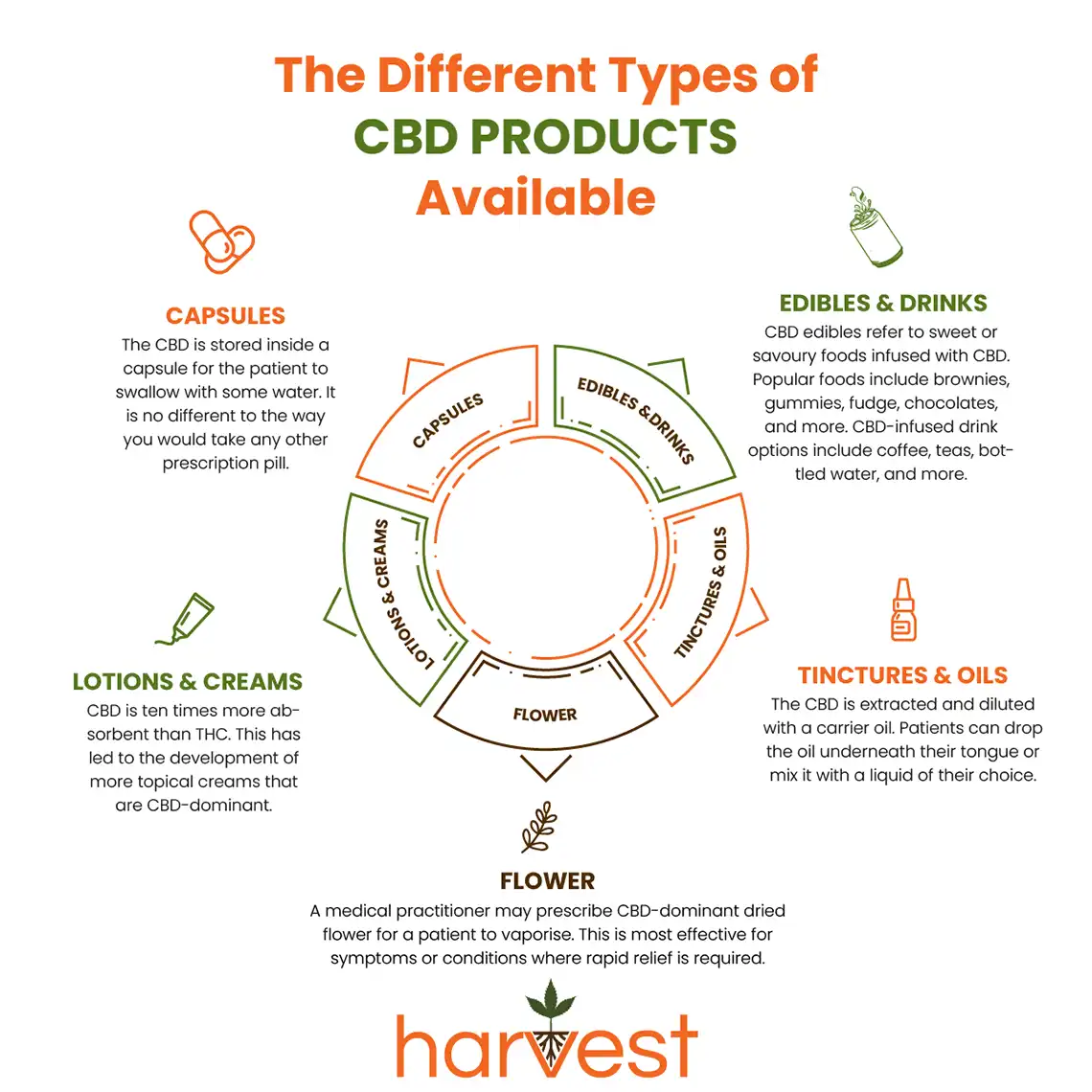
CBD-based products can come in a wide variety of formats. They are commonly divided into three categories, namely: full-spectrum CBD, broad-spectrum CBD, and isolate products.
The differences between the categories are as follows:
- Full-spectrum CBD: contains all of the naturally occurring compounds including nominal amounts of THC (no more than 3%).
- Broad-spectrum CBD: contains most of the naturally occurring compounds but goes through a process to remove traces of THC.
- CBD-isolate: contains only CBD as all of the other compounds are carefully removed.
CBD is not limited to oils. In fact, the wide range of available products continues to expand. The following list outlines the various types of CBD products currently available:
- Oils & Tinctures
- CBD Vape pens
- Hemp Salve & Drinks
- Capsules
- Dried flower
- Liquids
Getting a prescription for CBD in Australia

As low-dose over-the-counter CBD is still unavailable, the only way to legally purchase CBD in Australia is with a health professional’s prescription.
If you meet the criteria for medicinal plant-based products, you can apply for a prescription via your GP or specialist or an Authorised Prescriber.
Prescriptions are not limited to a specified group of patients or conditions. Individuals with a chronic medical condition where conventional treatment has so far been ineffective may speak to their doctor about applying for CBD.
Plant-based treatments do not have to be your last resort but they cannot be your first line of treatment.
The government does not subsidise the cost of plant-based treatment products and the patient will have to pay the full cost of the product prescribed.
The cost of CBD oil in Australia will largely depend on the dosage prescribed by the medical practitioner, the frequency of use, and the type of product. Plant-based treatment options can cost anything from $50 to $1000 per week.
Remember, buying CBD in Australia without a prescription is still firmly illegal.
The alternative plant-based medication should always be approached with caution and all the relevant health factors should be considered together with a qualified medical practitioner.
Summary
Cannabidiol, otherwise known as CBD, is used as an alternative treatment option to provide relief to a host of symptoms for people with chronic conditions. The efficacy of it as a treatment option is still undergoing further research.
There are risks and side effects to consider before deciding to use CBD. Furthermore, approval and a prescription is needed. It is of paramount importance that you consult with a qualified health professional.
Research on CBD is promising but extremely limited in the grand scheme of things. It will take far more controlled studies and clinical trials before we have a full grasp on the risks and benefits of medicinal plant-based products.
If you would like to know more about CBD and plant-based treatment options, contact us today.